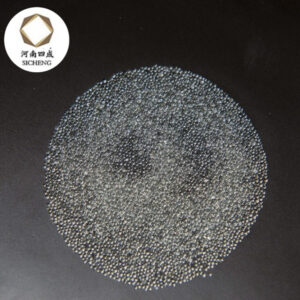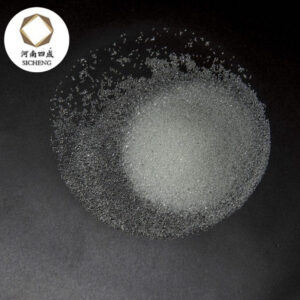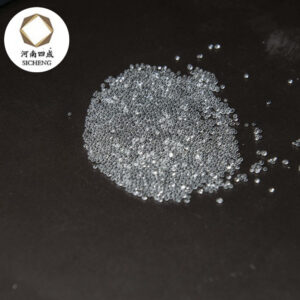

Glass is the material of choice for tire balancing beads due to its unique combination of physical durability, chemical inertness, and environmental safety. Unlike alternatives such as metal, plastic, or ceramic, glass beads offer the optimal balance of density, resilience, and smooth operation inside a tire .
The primary reasons for selecting glass include:
Optimal Density and Force: Glass beads are made of high-density, tempered glass, which provides the necessary weight to effectively counteract centrifugal forces and balance the tire assembly without requiring excessive volume .
Durability and Hardness: Tempered glass is “virtually unbreakable” and does not wear out or decompose over time. It withstands the constant punishment inside a tire without crushing, which ensures they last the lifetime of the tire .
Moisture and Chemical Resistance: Glass is non-porous and does not absorb moisture. This is critical because moisture inside a tire can cause other materials (like some plastics or metals) to corrode or clump together, which would throw the tire out of balance . Glass remains unaffected.
Smooth and Quiet Operation: Glass beads are smoother and quieter than metal alternatives, which can be noisy. They are also less likely to damage the tire or rim during installation and use .
Environmental Safety: Glass is a non-toxic, lead-free, and environmentally friendly material. It poses no threat to the environment if the tire is disposed of or if beads escape, unlike traditional lead wheel weights .
In summary, glass balancing beads provide a dynamic, self-adjusting balancing solution that is durable, chemically stable, quiet, and environmentally responsible, making them the industry standard for this application .